Power Accessories: The Quiet Battleground in Consumer Electronics
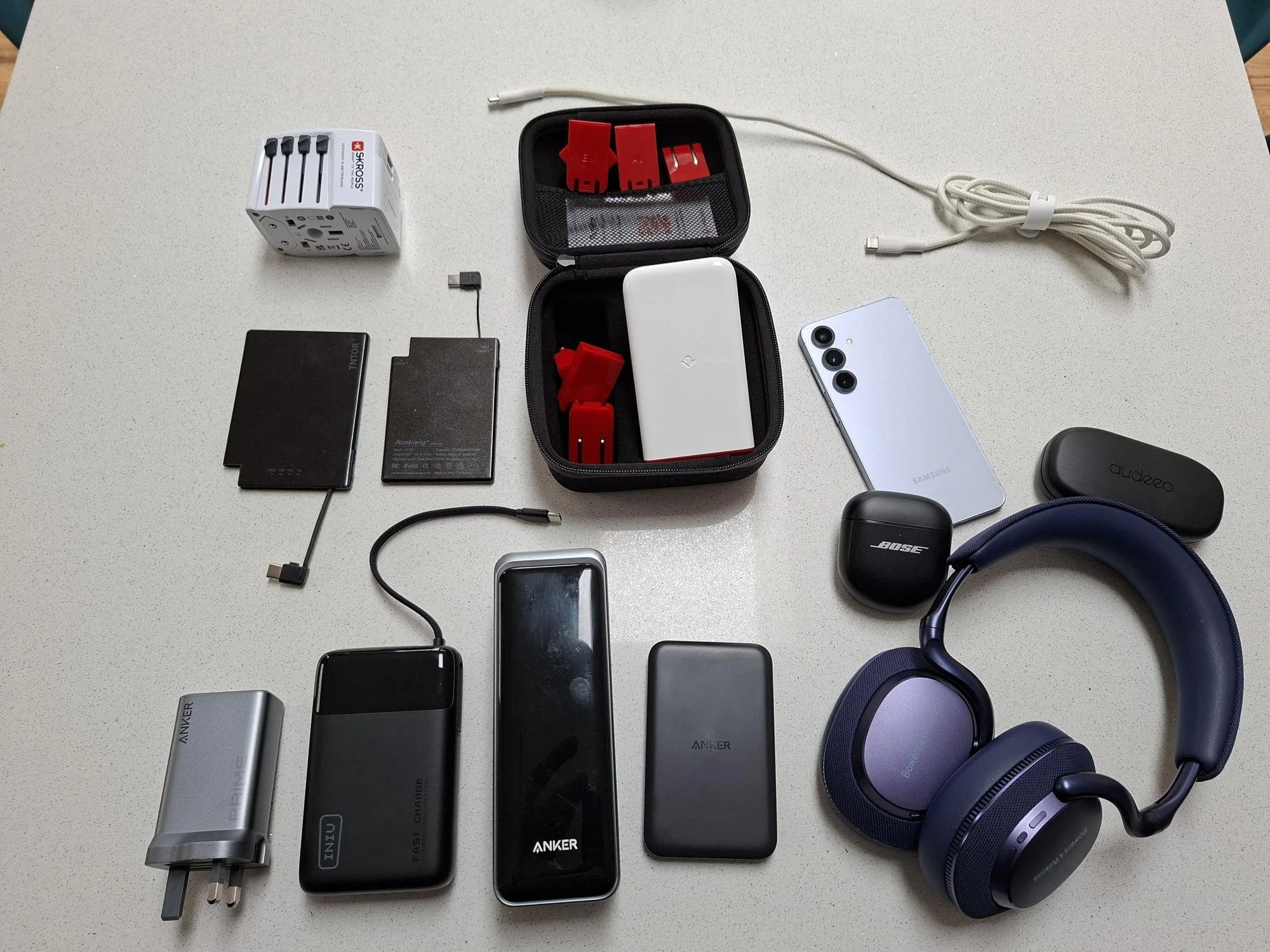
A confession to start. I own more power banks than I need.
There is a slim one that lives in my bag, a mid-sized one for day trips, a proper 20,000mAh unit for festivals and long weekends away, and a few more that I have never quite got around to retiring. I have always been slightly paranoid about running out of charge, so I plan for it in the same way other people plan for the weather.
Looking properly at the power accessories category again, I have been surprised by how far it has moved. Fast charging, battery chemistry and airline safety rules are turning what used to feel like a fairly functional accessory aisle into one of the more interesting parts of consumer electronics.
Fast charging has changed the travel kit
It was not that long ago that travelling meant packing a laptop charger, a phone charger and a collection of cables, all slightly different and all fighting for space in the same bag.
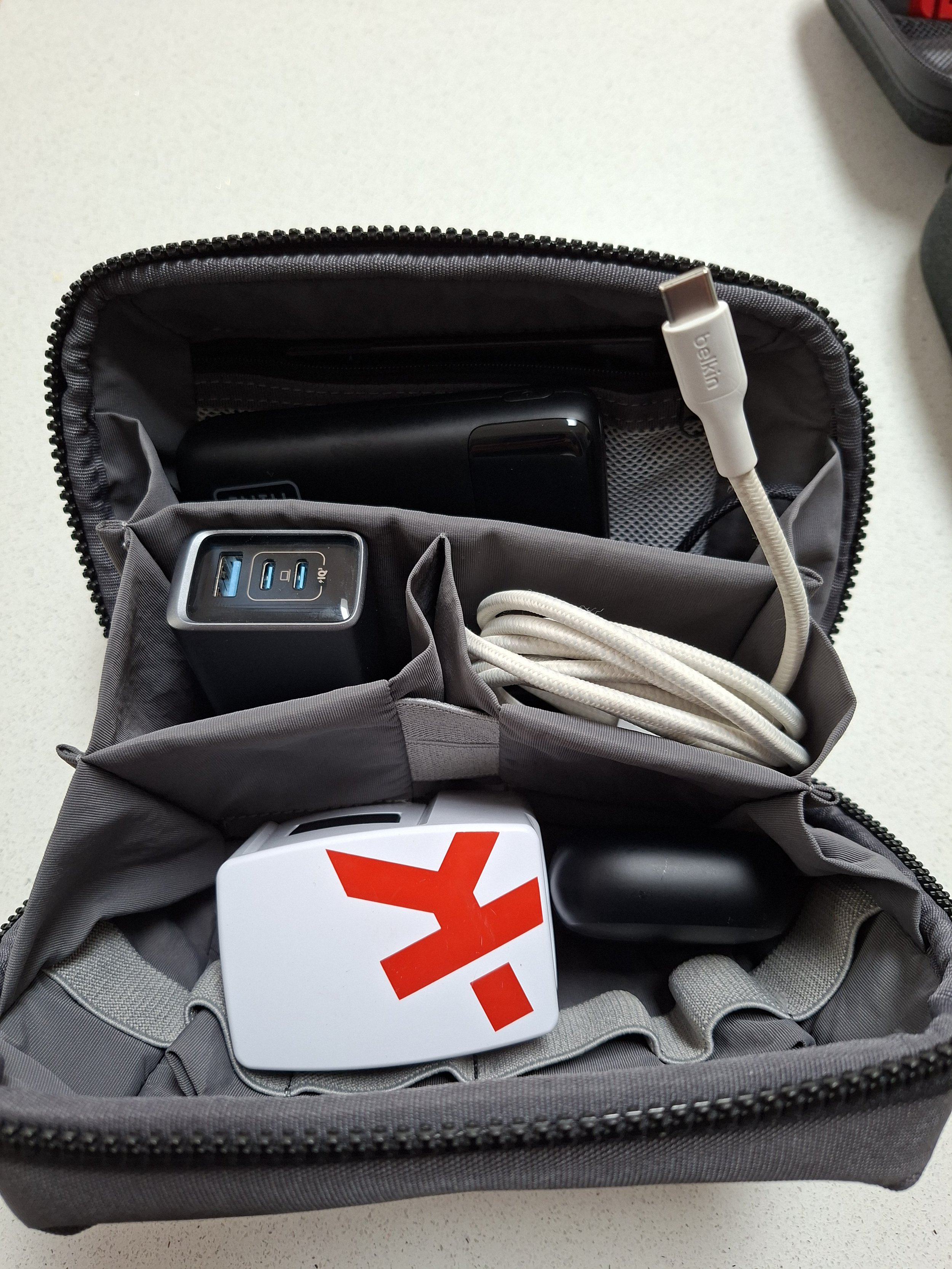
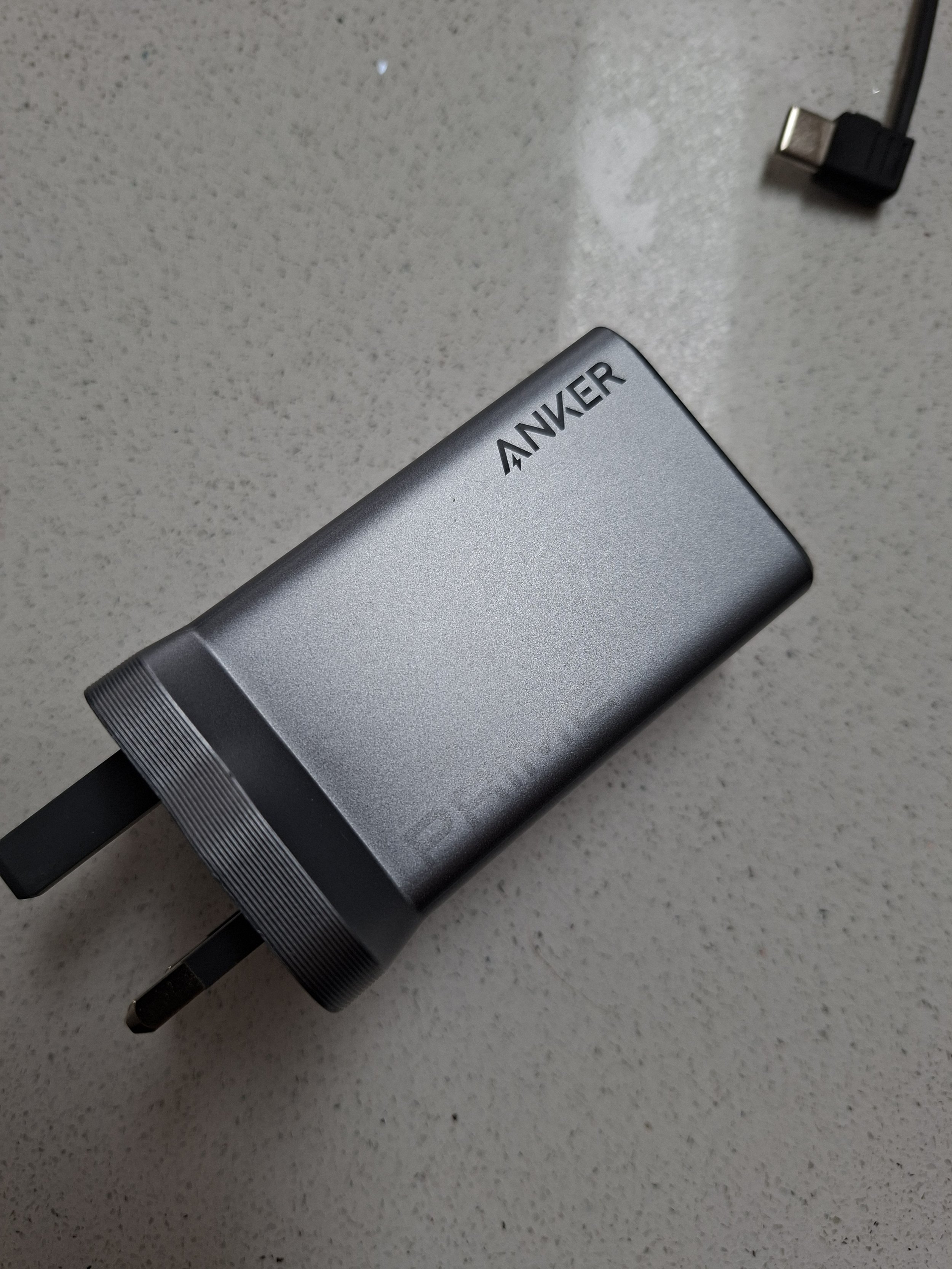
USB-C Power Delivery and GaN charging have changed that. A compact charger can now deliver enough power for a laptop, phone, tablet and earbuds, automatically adjusting the output to suit the device. Depending on the charger and what is connected, one small unit can replace several separate plugs.
It is not glamorous innovation, but it is useful. It removes clutter, saves space and solves a problem people actually have. That is normally what changes customer behaviour in the end.
The bigger change is inside the battery
The more important development is happening inside the power bank itself.
Most conventional power banks use lithium-ion cells with a liquid or gel electrolyte. The technology is proven and generally safe when products are well designed and manufactured, but a damaged, faulty or poorly made cell can enter thermal runaway, causing intense heat, smoke or fire.
Semi-solid-state power banks are now beginning to reach the consumer market. These products reduce the amount of liquid electrolyte rather than removing it completely. The claimed benefits include better resistance to puncture and swelling, longer life and improved energy density. Full all-solid-state batteries are still largely future technology for this category, so the distinction matters.
This is promising, but brands and retailers need to be careful. Safety cannot just be a bold claim on the front of a box. It needs credible testing, the right certification and a clear explanation of exactly what is different. Better battery chemistry could become a genuine reason to trade up, but only if customers and buyers can trust the story.
Airlines have made safety visible
Battery safety has moved into the mainstream because passengers now see the issue every time they travel.
IATA’s 2026 passenger guidance limits travellers to a maximum of two lithium-ion power banks, each no more than 100Wh. It also says they should not be charged from an in-aircraft power supply, should not be stored in overhead lockers and should not be used to power other devices during taxi, take-off or landing. Individual airlines can apply stricter rules.
That creates a very practical retail opportunity. Customers need to know the capacity in watt-hours, whether the product meets airline limits and how it should be carried. Simply printing 10,000mAh on the box is not enough, because mAh alone does not tell a traveller whether a power bank sits within the aviation limit.
It is also worth avoiding loose phrases such as ‘airline approved’. Airline policies vary, rules continue to develop and no claim replaces the passenger’s responsibility to check with the carrier. Clear, accurate information will build more trust than a sweeping badge.
A brand that makes travel power easier
On the adaptor and charger side, SKROSS is a brand I have always rated.
The core idea is simple. Help travellers connect their devices safely across different plug systems without carrying a bag full of separate adaptors. Across the range, SKROSS offers world adaptors for more than 200 destinations, USB-C Power Delivery options and compact GaN chargers capable of powering laptops as well as smaller devices.
The products feel properly engineered and the country selection system is easy to understand. That matters in travel retail, where customers are often buying quickly, may be unsure about their destination and do not want to discover at the hotel that they have picked up the wrong product.
There is one important message the whole category still needs to explain better. A travel adaptor changes the plug connection. It does not convert the local voltage. Many laptop and phone chargers work across 100 to 240 volts, but products such as hairdryers and straighteners may not. Anyone who has taken a UK hairdryer to the US and wondered why it barely works will understand the problem.
Good packaging should therefore answer more than ‘which country?’. It should make clear which plug types are supported, whether the connection is earthed, the maximum power, whether USB-C charging is included and whether the customer’s device is suitable for the destination voltage.
This category needs explaining, not just displaying
Power banks, chargers, cables and adaptors are among the most specification-heavy products in consumer electronics, yet they are often given some of the weakest explanation.
Ask a typical shopper about the difference between 65W and 100W, what Power Delivery means, why two 10,000mAh power banks can be different sizes, or whether a cable can charge a laptop as well as a phone. Most will not know, and there is no reason they should.
The customer does not need a lesson in electrical engineering. They need a clear answer to a simple question. Will this charge my laptop? How quickly? How many phone charges will I get? Is it suitable for flying? Will it work in the country I am visiting?
That explanation has to happen in three places. Packaging should translate specifications into useful benefits. The fixture should help customers compare products quickly. Online content should filter the range around the device, destination and use case rather than simply presenting another wall of technical information.
This is where tools such as Retailistic’s QR-led content and guided selectors can add real value. In a category where the differences are important but often invisible, a few sensible questions can guide a customer to the right product far more effectively than another line of shelf-edge copy.
What this means for brands and retailers
Power accessories should no longer be treated as an afterthought near the till. The category now needs a proper strategy.
Safety is becoming commercial as well as regulatory. Better chemistry, credible testing and clear airline information can all become reasons for customers and retailers to choose one product over another.
Fast charging is becoming expected. GaN and USB-C Power Delivery are moving from the premium end into the mainstream, but brands still need to explain what the wattage means for different devices.
Travel adaptors need clearer navigation. Country compatibility, voltage, grounding and maximum power are not small-print issues. They are the difference between a product that solves a customer’s problem and one that creates another one when they arrive.
Most importantly, explanation is now part of the product. The best technology does not always win. Very often, the product that is easiest to understand wins.
At Connect CE Consulting, we spend a lot of time looking at categories like this. They can appear mature on the surface while technology, regulation and customer expectations are quietly reshaping them underneath. Power accessories is very much one of those categories.
For brands and retailers, there is a real opportunity to make the range safer, simpler and much easier to shop.