In Store Technology Spotlight
The New Storefront: How In Store Tech is Redefining Customer Education
Walk into most consumer electronics stores and the challenge is clear.
Great products. Strong brands.
But limited time, limited staff interaction and, often, limited customer understanding.
I was in Currys recently for an emergency coffee machine replacement (clearly a critical purchase).
What struck me wasn’t the sales interaction.
It was how I actually made my decision.
I found myself using the in-store tech QR codes, product content, guided information to understand the differences between products. Not perfect, but it did the job.
And it got me thinking.
That gap between interest and confidence to buy is still very real.
And increasingly, it’s not being solved by adding more staff…
…it’s being solved by embedding intelligence directly into the store itself.
From Display to Dialogue
Retail is shifting from passive presentation to active conversation.
The best stores today don’t just show products they explain, guide and reassure.
We’re now seeing four clear layers of in-store technology emerge:
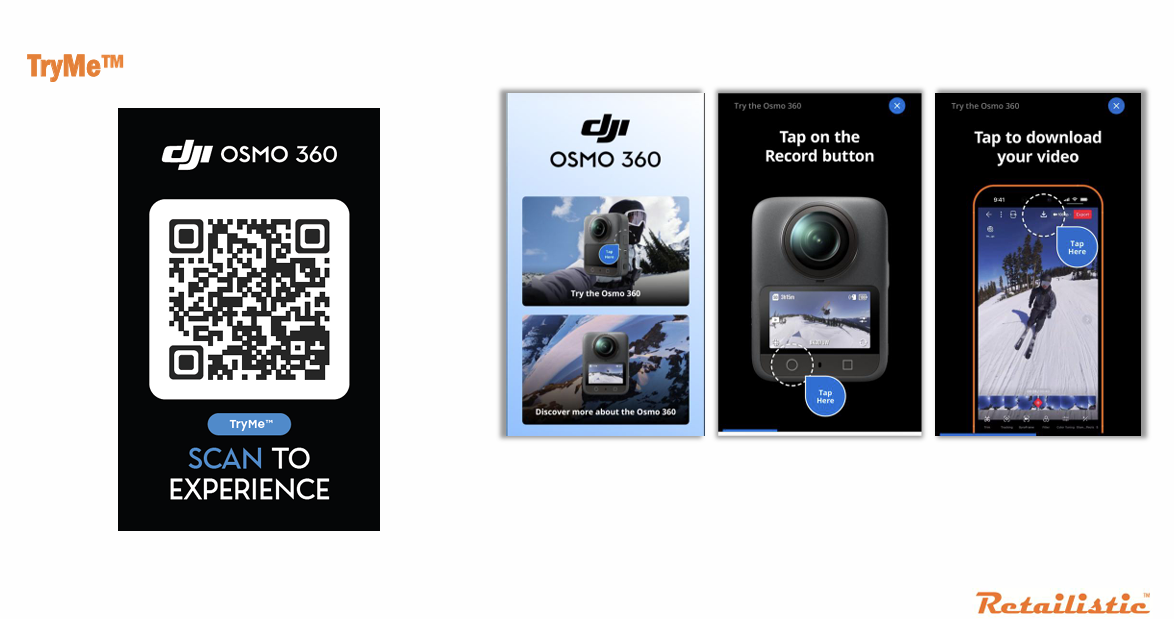
1. QR-Led Content & Mobile Engagement
The simplest and arguably most scalable is innovation.
Instant access to product demos, reviews and comparisons
Zero friction as customers use their own device
Always-on, consistent brand messaging
It’s a natural bridge between physical and digital retail and increasingly expected by customers.
2. Interactive Fixtures & Touchpoints
This is where physical retail starts to feel more dynamic:
Touchscreens
“Lift and learn” displays
Motion-triggered content
Voice and gesture interaction
These turn fixtures into active selling tools, not just display space.
3. AI-Powered Assisted Selling
This is where things get really interesting.
AI-driven product recommendation tools
Conversational interfaces (in-store “assistant” experiences)
Personalised product matching based on needs
In complex categories like consumer electronics, AI becomes a scalable expert helping customers navigate choice without needing a colleague.
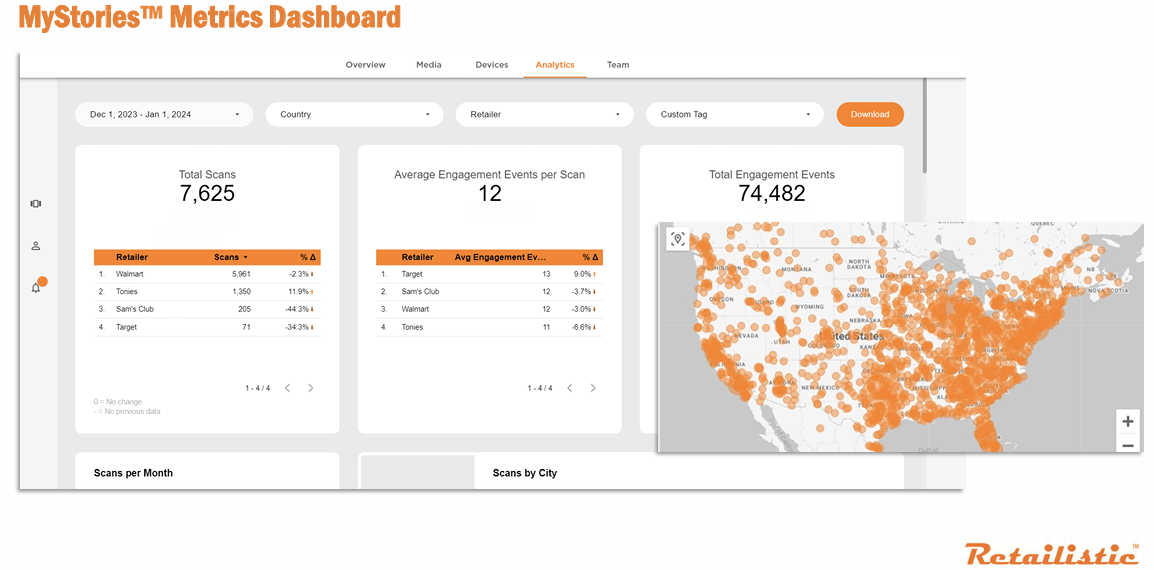
4. Data & Feedback Loops
The layer you don’t see—but the one that matters most long term.
Real-time engagement tracking
Footfall analytics
Content performance insight
Continuous optimisation of messaging
This is where physical retail starts to behave more like ecommerce.
Where Retailistic Stands Out
There are a number of companies operating in this space, but Retailistic stands out for one key reason:
They focus on storytelling and decision-making, not just technology.
Their solutions aren’t about adding screens for the sake of it.
They’re about answering the most important question in retail:
“Why should I buy this and is it right for me?”
Breaking Down Their Core Solutions
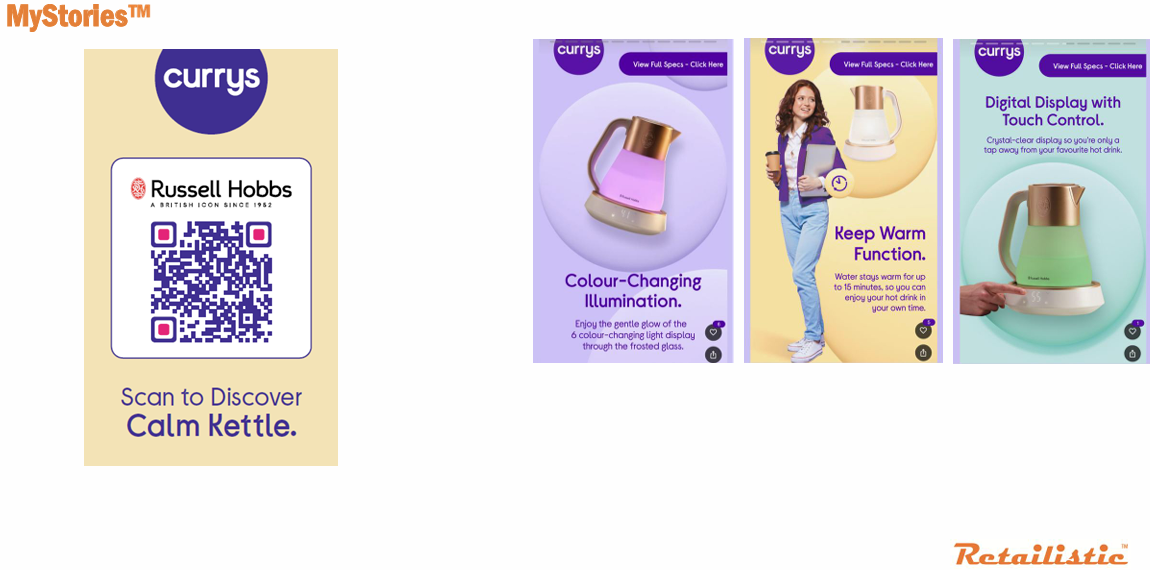
MyStories™ Turning Products into Narratives
MyStories™ delivers rich, mobile first content directly to the shopper at the point of purchase.
Accessed via QR codes
Short-form, highly engaging video content
Designed for how customers actually consume content today
Fully trackable via a cloud-based platform
The impact is clear:
Builds emotional connection with the brand
Simplifies complex product features
Increases confidence to purchase
It effectively turns a shelf into a storytelling platform—meeting customers where they already are: on their phones.
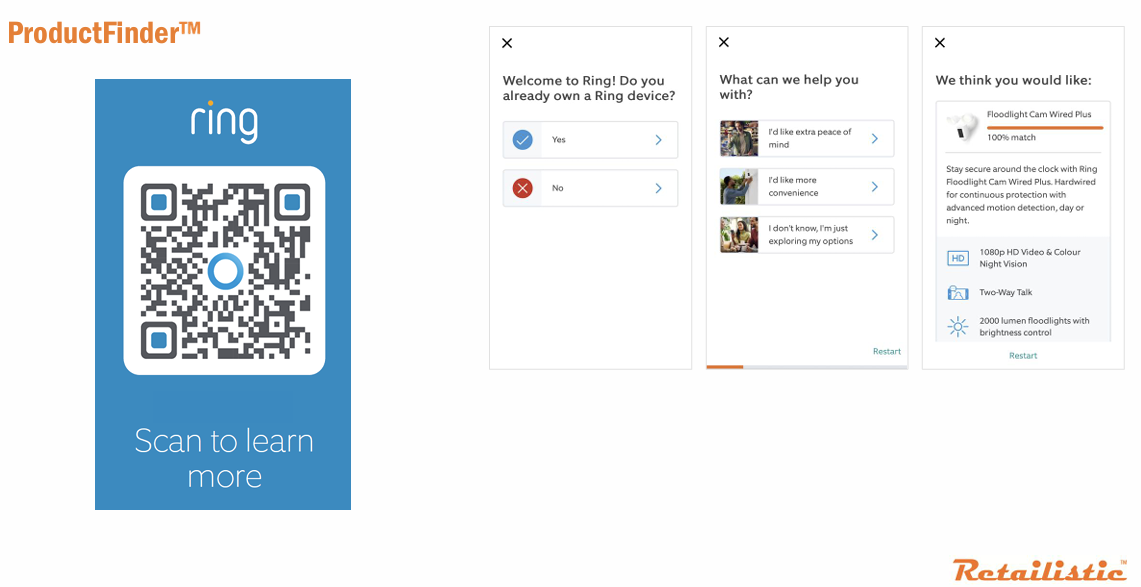
SelectMe™ Reducing Choice Overload
One of the biggest barriers to conversion in CE is simple:
Too much choice. Not enough clarity.
SelectMe™ acts as a guided selling tool:
Helps customers identify the right product based on their needs
Filters options in a simple, intuitive way
Bridges the gap between browsing and decision
It brings the best of online product discovery into the physical store environment.
RetailTheatre™ Creating Immersive Retail Experiences
This is where retail moves beyond education… into experience.
RetailTheatre™ uses a range of interactive technologies:
Touchscreens
Motion sensors
Light-triggered displays
Voice and gesture control
“Lift and learn” interactions
The objective is simple:
Make the store feel engaging, dynamic and memorable.
These experiences don’t just inform—they immerse, helping brands stand out and connect more deeply with customers.
Why This Matters (Especially in CE)
Consumer electronics sits at the perfect intersection of:
High value
High complexity
High comparison
Customers don’t just want inspiration—they want:
Clarity
Confidence
Validation of their choice
And that’s where in-store tech becomes commercially critical.
Because the difference between:
browsing and buying
interest and conversion
…is often simply understanding.
The Commercial Impact
When executed well, this technology drives:
Higher conversion rates
Increased average selling price (ASP)
Stronger attachment rates
Improved customer satisfaction and NPS
And importantly:
It reduces reliance on perfect staffing models something every retailer is struggling with.
The Bigger Shift: Stores That Think
What we’re really seeing is the emergence of:
“intelligent retail environments”
Where:
Fixtures educate
Content explains
AI assists
Data optimises
All working together to support the customer journey.
Connect CE Perspective
At Connect CE, we see this as a fundamental shift in go-to-market strategy.
It’s no longer enough to have:
Great product
Strong brand
Good distribution
Success now depends on execution at the point of decision.
And increasingly, that means combining:
Retail design
Digital content
Smart technology
Customer insight
In today’s market:
The brands that explain best… win.
Try out some of the Retailistic products below, using the QR codes or visit https://www.retailistic.co.uk/ for more details